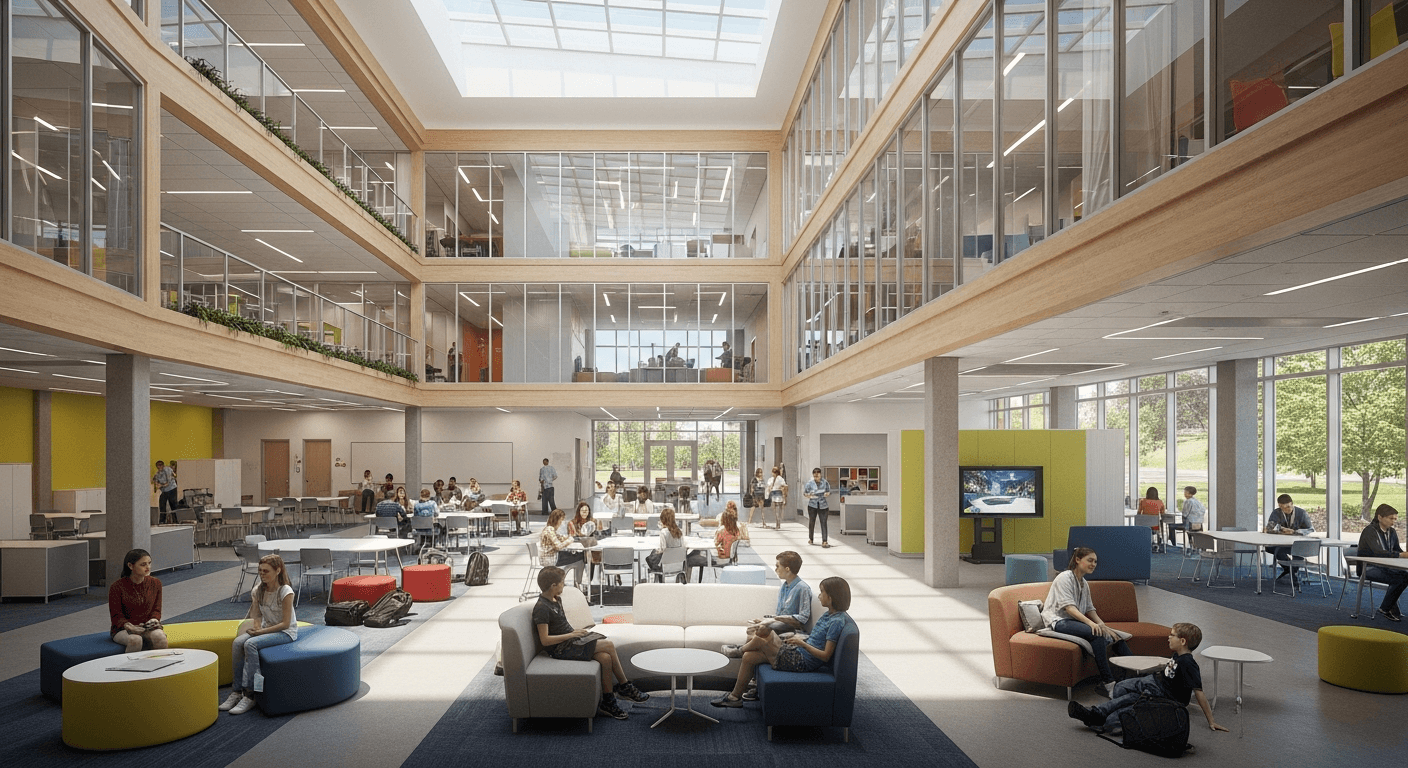
Traditional education often falls short in preparing students to become agents of change in an increasingly complex world. Schools are uniquely positioned to bridge the gap between critical thinking and collective action, yet most continue to reinforce individualism that keeps marginalized students feeling powerless to address the very injustices they study in textbooks.
Key Takeaways
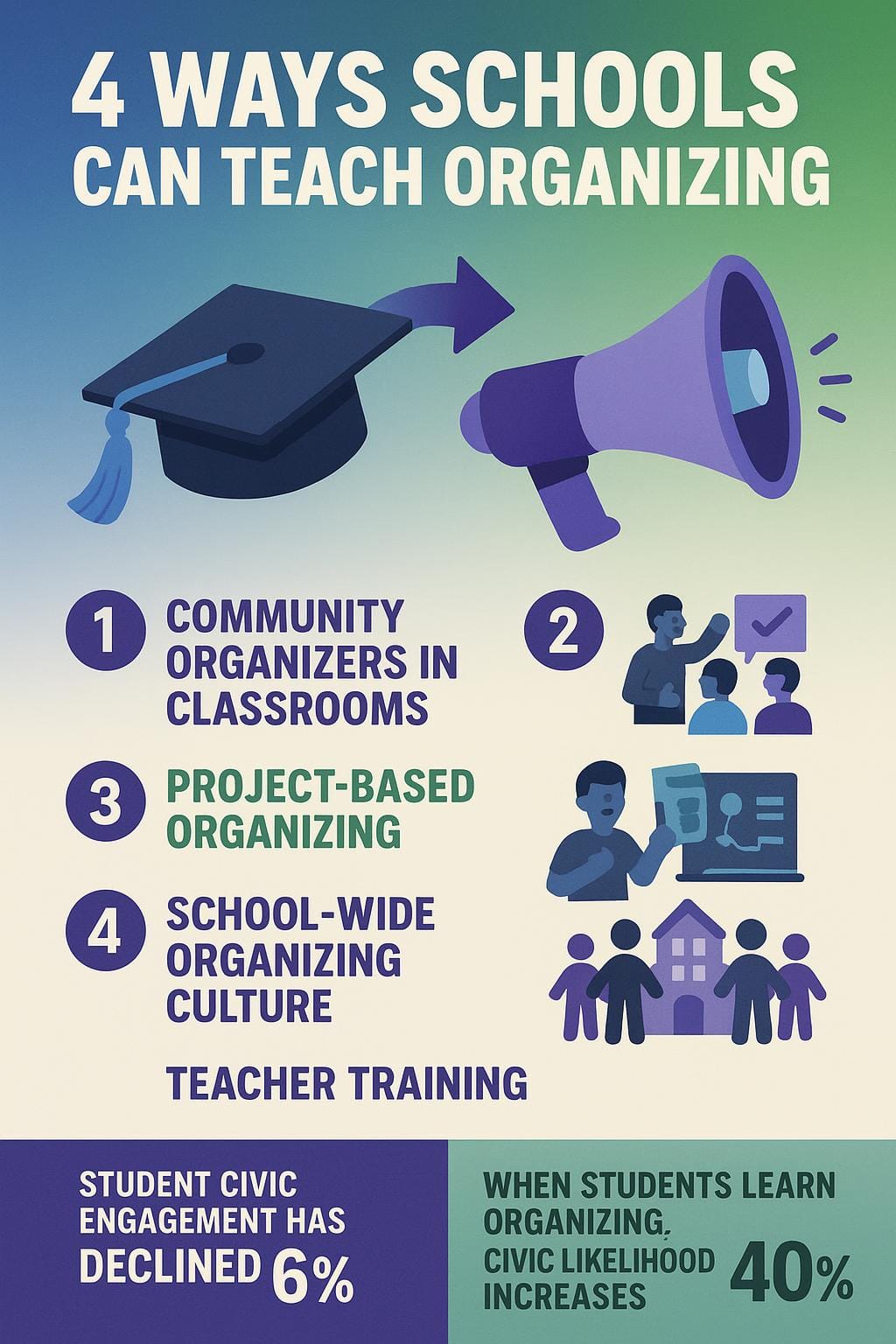
- Schools must shift from teaching passive intellectual engagement to facilitating concrete organizing skills that empower students to create change
- Bringing community organizers into classrooms provides students with authentic mentorship and real-world organizing techniques
- Project-based learning frameworks allow students to earn academic credit while working on causes they genuinely care about
- Working-class students especially need in-school organizing opportunities rather than after-school programs they often cannot access
- Teacher training in organizing methodologies is essential for creating sustainable, school-wide cultures of civic engagement
This post contains affiliate links. As an Amazon Associate, I earn from qualifying purchases at no extra cost to you. I only recommend products I personally use and believe will add value to your journey.
The Problem with Traditional Education
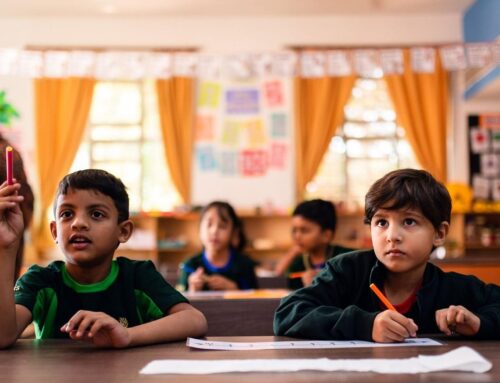
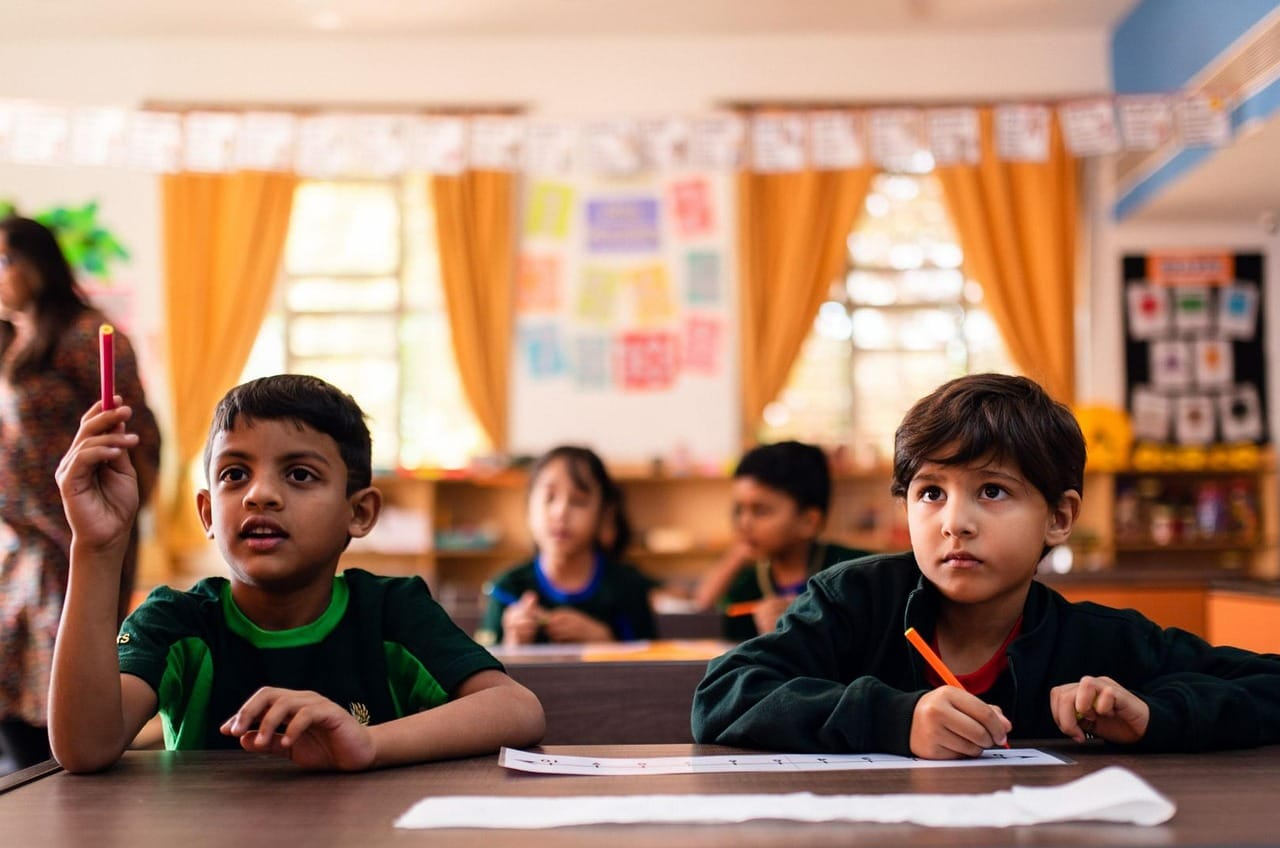
I’ve witnessed firsthand how our educational system has become a machine that produces increasingly apathetic, individualistic graduates. Student disengagement isn’t merely a classroom management issue—it’s a symptom of powerlessness that stems from education without agency.
Traditional schooling continually fails to connect classroom learning with meaningful action. When students learn about historical injustice or current social problems without being equipped to address them, we unintentionally teach them that knowledge exists in a vacuum separate from action.
📦 Essential Resources for Teaching Civic Engagement
- 🔗 Youth Activism Project Guide – structured curriculum for educators
- 🔗 Community Organizing Cards – interactive teaching tool for students
- 🔗 Digital voice recorder for community interviews and oral histories
As an Amazon Associate, I earn from qualifying purchases.
Why Intellectual Engagement Isn’t Enough
The powerful insight that “books freed my mind, but they did not free me from my conditions” captures the fundamental limitation of education focused solely on critical thinking. Intellectual awakening without practical tools for change often leads to cynicism rather than empowerment.
For working-class students especially, this disconnect is magnified by practical barriers. Many cannot participate in after-school activism due to work responsibilities, family obligations, or transportation issues. Schools must recognize that organizing opportunities need to exist during regular school hours as a matter of educational equity.
I’ve found that even the most intellectually stimulating classes fail to create lasting change when students lack concrete pathways to apply their insights. The false assumption that awareness automatically translates to action has kept schools from fulfilling their democratic purpose.
Strategy 1: Community Organizers in Classrooms
Bringing professional organizers directly into classrooms transforms abstract concepts into tangible skills. These partnerships provide students with authentic mentorship from individuals who have successfully created change in their communities.
Rather than occasional guest speakers, this approach integrates organizers as co-teachers who can guide students through the entire organizing process. Students learn essential skills like power mapping, coalition building, strategic action planning, and effective communication from practitioners with real-world experience in student activism in schools.
Related Guides: Check out our related articles for more helpful tips and insights.
Assessment in these partnerships should honor the process as much as the outcome. I encourage teachers to develop rubrics that evaluate skills like stakeholder analysis, campaign development, and reflection rather than focusing solely on whether a campaign succeeded or failed. Authentic organizing is inherently messy, and valuable learning happens throughout the process regardless of immediate results.
Strategy 2: Organizing as Project-Based Learning
Project-based learning offers a natural framework for integrating organizing into academic curricula. When structured thoughtfully, organizing campaigns can satisfy academic standards while providing students with opportunities to address issues they genuinely care about through project-based learning organizing.
The key is allowing students to select causes that matter to them rather than assigning predetermined issues. Self-selected campaigns generate authentic motivation and teach students that their concerns are worthy of academic engagement.
📦 Top Picks for Project Documentation
- 🔗 Canon PowerShot camera for high-quality campaign documentation
- 🔗 Project management journals with guided reflection prompts
- 🔗 Professional padfolio for community meetings and presentations
As an Amazon Associate, I earn from qualifying purchases.

Strategy 3: School-Wide Organizing Expectations
Moving beyond individual classrooms, schools can establish organizing as a normalized expectation across grade levels and subject areas. Creating a culture where organizing is valued as much as traditional academic work signals to students that collective action is a fundamental part of education rather than an extracurricular activity.
Empathy reflections play a crucial role in this approach by helping students connect their organizing work to broader systems of oppression and privilege. I’ve seen powerful growth when students regularly reflect on how their identities shape their organizing priorities and how they can build genuine solidarity across differences.
For this approach to succeed, administrators must actively support teachers who integrate organizing into their curricula. This means creating policies that protect community-based education from potential controversy and providing resources for teachers to develop organizing-based lessons.
Cross-curricular implementation allows organizing to touch every subject area. Science classes can organize around environmental justice, history classes can connect past movements to current issues, and math classes can analyze data to identify community needs and measure campaign impact.
Related Guides: Check out our related articles for more helpful tips and insights.
Strategy 4: Teacher Training in Organizing Methodologies
Teachers cannot effectively guide students through organizing if they haven’t experienced it themselves. Professional development must expand beyond traditional pedagogical approaches to include organizing methodologies that teachers can both practice personally and adapt for classroom use.
Essential skills for educators include power analysis, campaign development, community mapping, and facilitation of democratic decision-making. These skills benefit not only student organizing but also teacher advocacy within educational systems that often marginalize teacher voice.
📦 Recommended Reading for Educators
- 🔗 Pedagogy of the Oppressed – foundational text on liberatory education
- 🔗 Rules for Radicals – classic organizing principles for teachers
- 🔗 Teaching for Black Lives – racial justice organizing in education
As an Amazon Associate, I earn from qualifying purchases.
Building teacher networks that support organizing pedagogy helps sustain this work against inevitable resistance. I’ve seen how crucial it is for teachers to connect with others who share a commitment to teaching civic engagement when facing pushback from colleagues or parents who prefer “neutral” education.
Transforming Schools into Sites of Resistance and Action
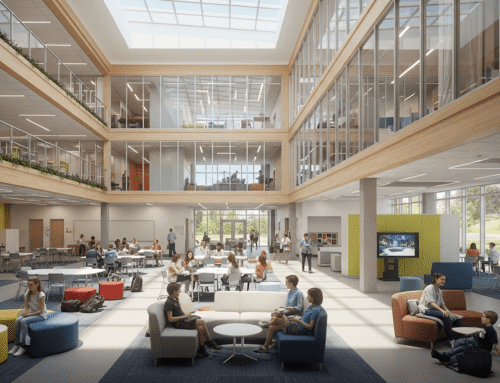
The vision I’m advocating requires moving beyond “worksheets and desks” to create dynamic learning environments where students actively engage with real-world issues. This shift fundamentally transforms the power dynamics within schools by positioning students as creators of knowledge rather than passive recipients.
Traditional stakeholders may push back against this approach, claiming it politicizes education or detracts from academic basics. I counter that teaching organizing is precisely about those basics—critical thinking, effective communication, collaboration, and empowering student voice in authentic contexts.
Democracy itself depends on this transformation. When schools fail to teach collective power, they produce graduates who either disengage from civic life entirely or believe that individual success is the only path to change. Both outcomes threaten the future of a society that requires active, engaged citizens capable of working together across differences.
🛠️ My Complete Organizing Education Toolkit
Here’s everything I personally use and recommend:
Essential
As an Amazon Associate, I earn from qualifying purchases.
Sources
Full of Edu: Respect Is Earned, So Why Is It Being Delayed?
Full of Edu: The 3 High-Impact Skills You Can Start Learning in the Last Month of Summer
Full of Edu: Strauss-Howe Generational Theory and the Fourth Turning