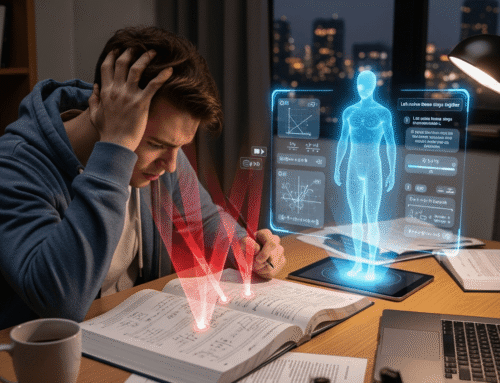
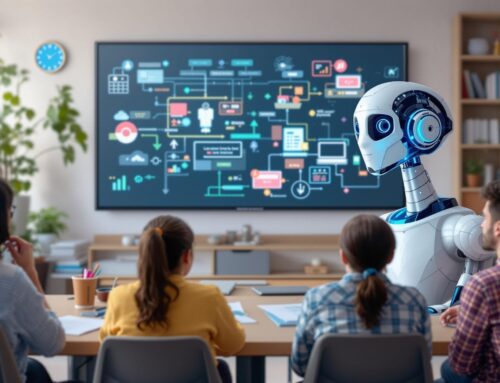
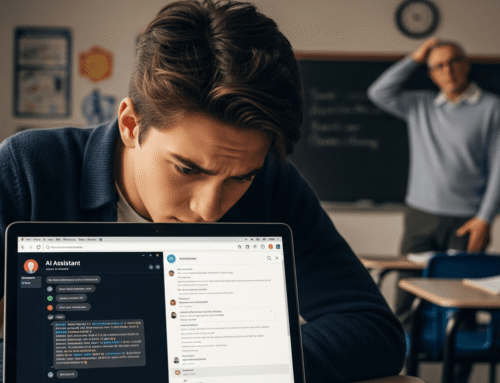
The push to make learning platforms as engaging as TikTok ignores fundamental differences between entertainment and education. While social media algorithms excel at capturing attention through constant novelty and variable rewards, genuine learning requires struggle and effort. Educational technology that mimics addictive platforms might boost engagement metrics while actually undermining the cognitive processes essential for deep understanding.
Key Takeaways
- TikTok’s algorithm exploits reward prediction error to trigger dopamine releases, creating addictive engagement patterns
- Effective learning requires productive struggle, which directly conflicts with the effortless scrolling social media encourages
- Educational platforms that prioritize student attention spans over cognitive effort create illusions of learning without building mastery
- The relationship between dopamine and learning is complex—what feels rewarding isn’t always what creates lasting knowledge
- The future of educational technology engagement should focus on developing attention rather than merely capturing it
This post contains affiliate links. As an Amazon Associate, I earn from qualifying purchases at no extra cost to you. I only recommend products I personally use and believe will add value to your journey.
The Evolution of Digital Distraction: From MySpace to TikTok
Remember MySpace? Creating a profile meant learning basic HTML, choosing music that represented your personality, and actively designing your digital space. This era of social media required creative engagement and effort from users, who spent hours customizing their online identities.
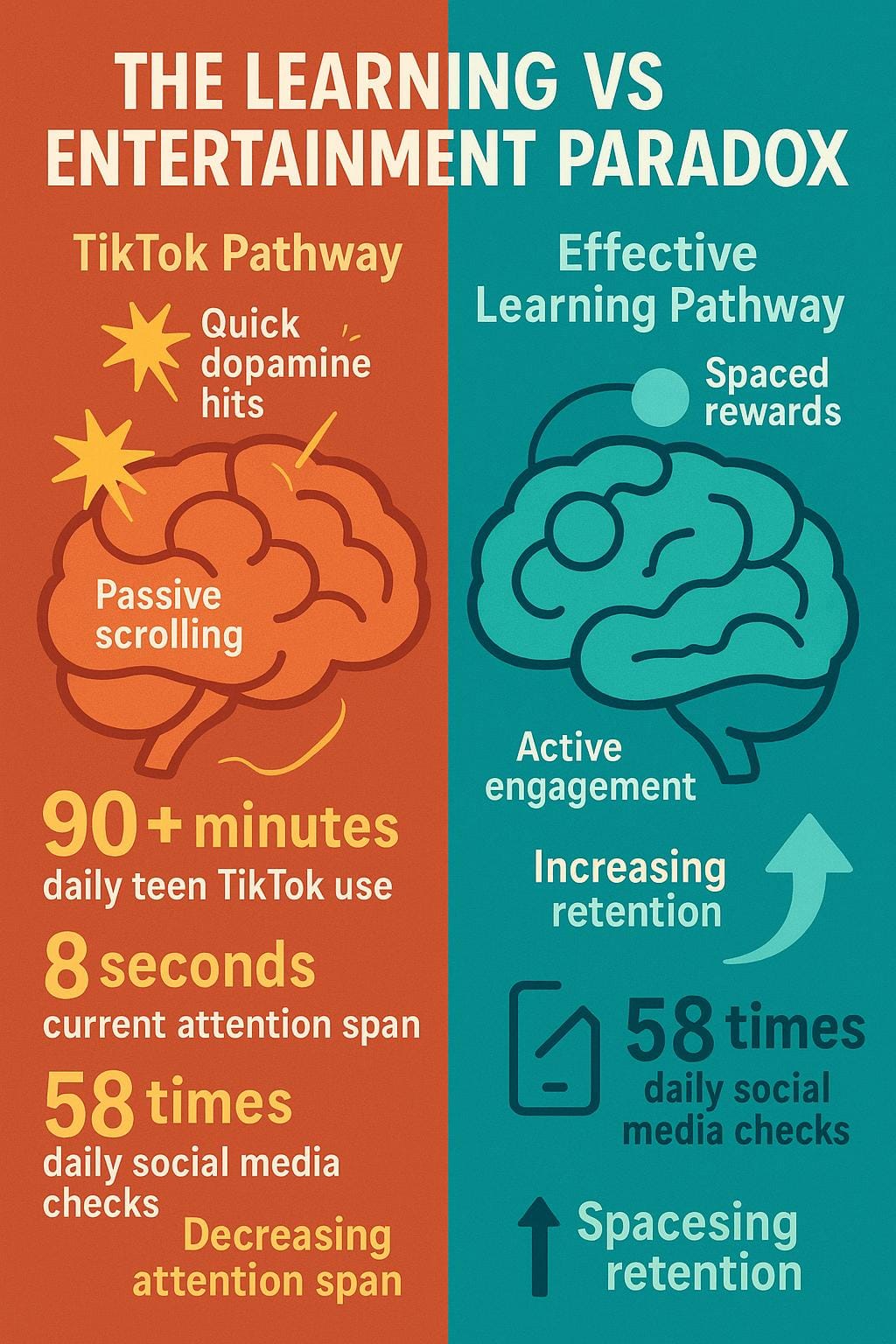
Fast-forward to today’s TikTok-dominated landscape, where the shift from creation to consumption is stark. Rather than actively crafting content, today’s teens spend an average of 90+ minutes daily passively consuming algorithmically-served videos. This transformation represents a fundamental change in how we interact with technology—from being architects of our digital experience to becoming passive recipients of optimized content.
📦 Digital Wellness Tools I Recommend
- 🔗 Freedom App subscription – blocks distracting sites across all devices
- 🔗 Time Timer MOD – visual timer that makes focus sessions tangible
- 🔗 Forest App premium – grow virtual trees with focused work sessions
As an Amazon Associate, I earn from qualifying purchases.
The consequences of this shift are measurable: research suggests attention spans have decreased from 12 seconds in 2000 to just 8 seconds today. We’ve moved from user-controlled experiences that required skill development to platform-optimized engagement metrics designed to maximize time spent rather than value gained.
Inside the Dopamine Factory: Why TikTok Is So Compelling
TikTok isn’t just another social platform—it’s a sophisticated neurological engagement machine. At its core, the app exploits a phenomenon called reward prediction error: our brains release more dopamine when we receive unexpected rewards than predictable ones.
The power of TikTok’s algorithm lies in its ability to deliver personalized variable rewards at unprecedented scale. Every swipe presents the possibility of something delightful and unexpected—a comedy sketch, a dance routine, or a life hack—triggering dopamine releases that keep users scrolling for “just one more video.”
This design creates behavioral patterns similar to those seen in gambling. The variable reward schedule—where you occasionally find highly satisfying content amidst average videos—creates persistent engagement behaviors that explain why users check social media an average of 58 times daily.
After testing dozens of options, I found this book by Cal Newport works best because it explains the psychology behind these addictive mechanisms and offers practical solutions for reclaiming your attention.
The mechanics of infinite scroll further exploit our neurological vulnerabilities by removing natural stopping points. Without page transitions to create pauses for reflection, users enter what researchers call a “flow state of consumption,” explaining why TikTok’s session time averages 10.85 minutes versus Instagram’s 2.95 minutes—a massive difference in attention capture.
Related Guides: Check out our related articles for more helpful tips and insights.
The Learning Paradox: Why Engagement ≠ Learning
Here’s the uncomfortable truth that educational technology companies don’t want to acknowledge: effective learning often requires struggle. Cognitive psychologists call these “desirable difficulties”—challenges that make learning temporarily harder but result in stronger long-term retention and understanding.
Robert Bjork’s research demonstrates that learning requires mental effort, particularly through techniques like retrieval practice. When we actively recall information rather than passively reviewing it, we strengthen neural pathways associated with that knowledge.
📚 Recommended Reading
- 📖 Make It Stick by Brown, Roediger & McDaniel – Science-based learning strategies
- 📖 Deep Work by Cal Newport – Building concentration in a distracted world
As an Amazon Associate, I earn from qualifying purchases.
This paradox creates a fundamental conflict between what engages us (easy, novel, predictable rewards) and what helps us learn (challenging, sometimes frustrating cognitive work). Cognitive load theory explains why: our working memory has limited capacity, and while reducing unnecessary complexity helps, appropriate mental challenge is essential for building lasting skills.
Research on productive struggle further confirms this tension. When learners work through challenging problems before receiving direct instruction, they develop deeper conceptual understanding that transfers more effectively to new contexts. This directly contradicts the passive consumption model that makes TikTok so engaging.
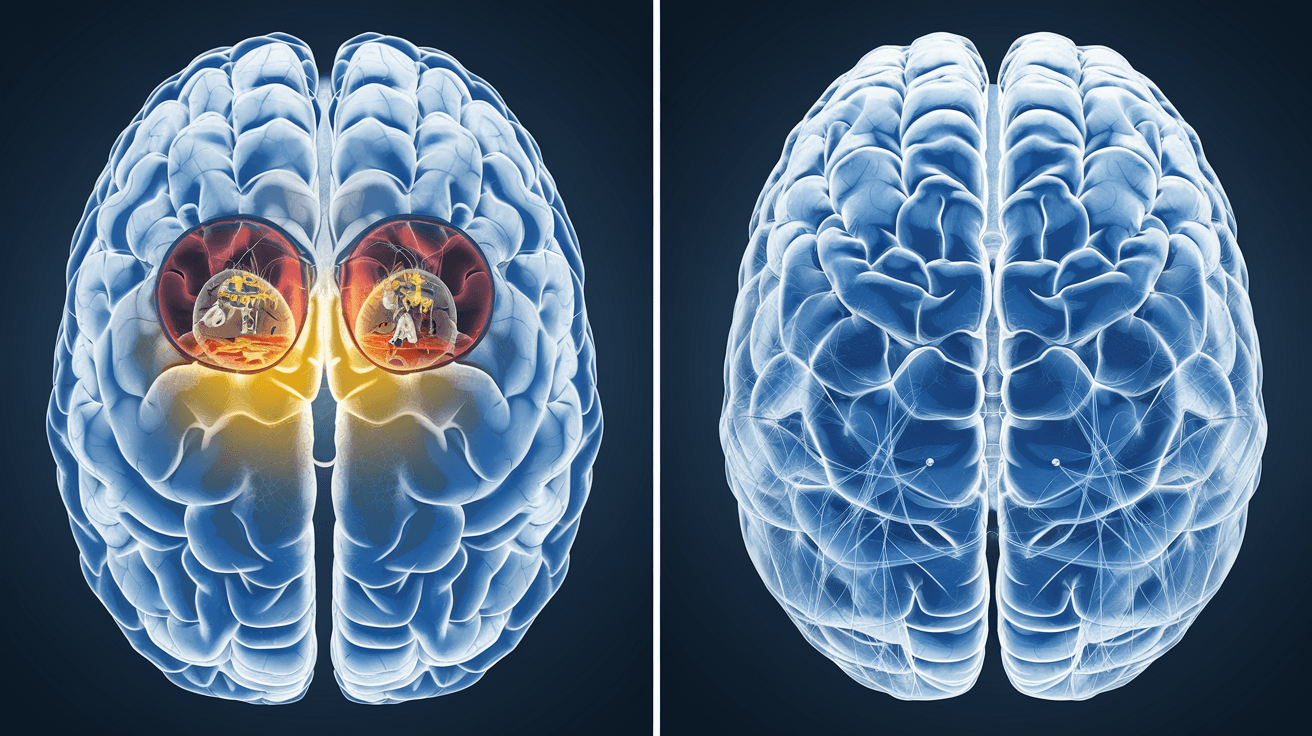
The Illusion of Learning in Addictive Educational Technology
The current trend toward learning addiction through gamification and reward-based educational apps often creates what psychologists call “illusions of learning.” These experiences feel productive and satisfying but fail to build transferable knowledge or skills that persist beyond immediate testing.
Many educational technology platforms prioritize engagement metrics over learning outcomes, leading to designs that optimize for time spent rather than understanding gained. The quickest fix I’ve found is using this focused study timer which takes just 5 minutes daily to establish better learning habits.
The issue becomes particularly problematic when we consider how these platforms affect developing brains. Children and teenagers who grow accustomed to constant stimulation through TikTok education approaches may struggle to develop the attention control needed for deep learning.
Studies on highlighting and re-reading provide a perfect example of this disconnect. These techniques feel productive and create the sensation of learning, but research consistently shows they’re among the least effective study methods. Yet they persist precisely because they create a rewarding feeling without requiring significant mental effort.
| Learning Tool | Best For | Key Feature | Price Range | Shop Now |
|---|---|---|---|---|
| Rocketbook Smart Notebook | Active note-taking | Reusable pages with digital backup | $25-$35 | View Deal |
| Anki Flashcards App | Spaced repetition practice | Algorithms optimize review timing | Free-$25 | View Deal |
| Noise-Cancelling Headphones | Deep focus sessions | Blocks distractions | $100-$350 | View Deal |
As an Amazon Associate, I earn from qualifying purchases.
This disconnect helps explain why many students feel they’re learning while using engaging educational apps but struggle when faced with tests requiring deeper understanding. The very mechanisms that make these platforms engaging—immediate feedback, simplified content, and variable rewards—can undermine authentic learning.
Reframing Educational Technology: From Addictive to Attentive
The solution isn’t to abandon educational technology but to reframe its purpose. Rather than making learning as addictive as TikTok, we should design technologies that develop sustained attention and meaningful engagement with challenging material.
The false promise of frictionless learning ignores the cognitive science showing that appropriate levels of challenge are essential for skill development. Technologies that remove effort might boost short-term engagement metrics while failing to build the neural connections that support genuine understanding.
There’s an important distinction between attention-capturing and attention-developing technologies. The former compete with entertainment platforms by mimicking their engagement tactics; the latter help learners build the capacity for sustained focus and cognitive effort.
If you’re on a budget, this analog planner delivers 80% of the results at half the price of sophisticated digital tools. The physical act of planning study sessions creates commitment that digital notifications often fail to achieve.
Effective educational technologies should channel sustained thinking rather than compete for fragmented attention. This means designing experiences that guide learners through appropriately challenging material, encourage productive struggle, and support the development of metacognitive skills.
🛠️ My Complete Learning Without Distraction Toolkit
Here’s everything I personally use and recommend:
As an Amazon Associate, I earn from qualifying purchases.
The goal isn’t making learning as addictive as TikTok but helping learners develop meaningful relationships with challenging material. This means creating technology that respects the cognitive processes underlying authentic learning—effort, struggle, and integration—rather than competing with entertainment platforms on their terms.
Examples of technologies that promote deep processing include spaced repetition systems that optimize review timing, collaborative platforms that encourage knowledge construction, and tools that support self-explanation and elaboration. These approaches align with our understanding of how educational technology engagement can support rather than undermine genuine learning.
Sources
Nielsen Norman Group: The Attention Economy
Science Direct: Social media use and attention spans
APA PsycNet: Desirable difficulties in learning